Vol 130: A reason to smile
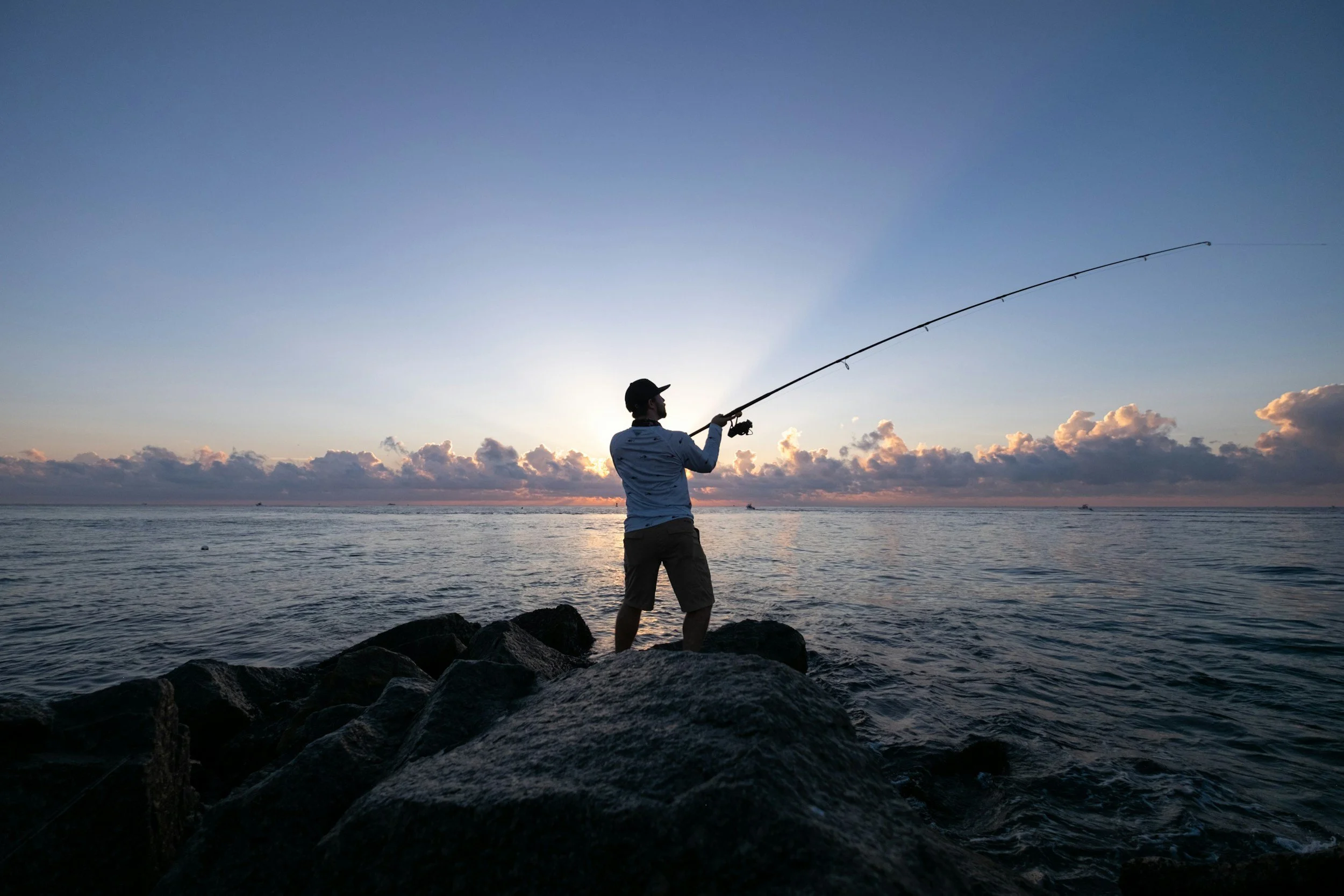
On the flats of Exuma, where the turquoise waters blur seamlessly into the blue sky, you may be fortunate enough to meet a man whose smile is as warm as the Bahamian sun. With his permission, I’m sharing his remarkable story but to protect his privacy, I’ll call him Malcolm. He is my patient and on a quiet morning like today, he casts a fly line with a single, fluid motion of his left arm into a perfect loop that cuts through the salt air and lands effortlessly on the water.
To the tourists who hire him, he is simply one of the best bone-fishing guides on the island but to the locals, he’s a living miracle. Malcolm was born of dirt and salt and shaped by the rugged landscape that island life provided in the early 60s. There was no indoor plumbing, no running water, and no electricity in a house packed with four brothers and two sisters.
Malcolm’s mother cooked over the crackle of open firewood. If the family wanted to eat, they farmed the rocky soil and fished the deep blue sea. It taught him the rewards of hard work and when the time came, Malcolm packed his bags for Nassau. He landed a coveted spot as an apprentice chef at a hotel, and spent nearly eight years sweating over hot lines, mastering the culinary arts.
At the same time, he was enrolled in culinary school and was months away from graduating when he looked up at the sky and saw a different future. Somewhere between classes and shifts at the hotel, he became fascinated by airplanes. Perhaps it was the freedom they represented. Perhaps it was curiosity. Perhaps, like so many sixteen-year-old boys, he simply wanted to do something extraordinary. Whatever the reason, flying quickly evolved from an interest to his dream.
Flight training was different then. There were no sophisticated simulators. You learned to fly by climbing into a small airplane beside an instructor and trusting that each lesson would prepare you for the next. And flight after flight, Malcolm’s confidence grew. He flew fifteen times, learning the language of altitude and airspeed. Then during a routine flight from Nassau to Andros in June 1983, Malcolm’s life was changed forever.
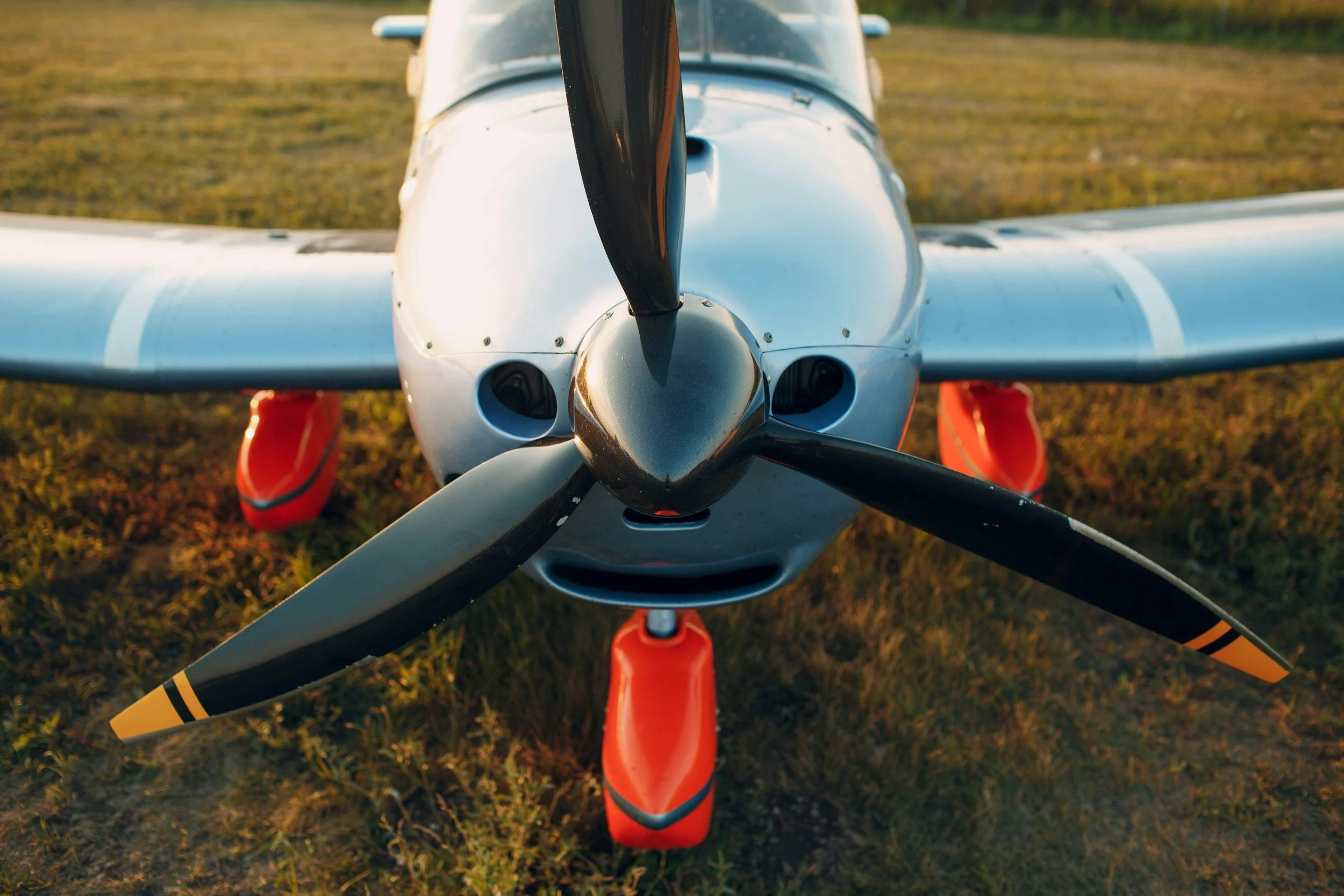
That morning, Malcolm climbed into a small aircraft with his instructor for what was supposed to be another routine training flight to Andros. They landed safely, spent time on the island and later that day they started their short journey back to Nassau. The engine accelerated and the airplane gathered speed lifting gracefully into the clear Bahamian sky. When they rose to approximately two hundred feet, without warning, the engine stopped. In that instant, every dream that had carried Malcolm into the cockpit collided with a reality no amount of training could overcome.
At that height, gravity becomes a violent, oncoming wall. There was no altitude to glide, no time to restart the engine, and no space to maneuver. There was only the terrifying, instantaneous realization that they were falling to their deaths. Then came the impact. It didn't sound like metal hitting branches. It sounded like a bomb exploding from the inside out. The pilot died on impact. Alongside Malcolm and his instructor was a female passenger, a friend of the pilot looking for a quick ride back to Nassau. She was instantly decapitated.
When the metal finally stopped twisting, Malcolm was the only person left breathing. Third-degree burns seared his skin. His left leg and left arm were fractured into pieces. His right arm had been literally and violently torn from his torso during the crash. Because of the dense, swampy terrain, it took emergency responders four agonizing hours to extricate him from the wreckage.
Malcolm was just barely alive. He was airlifted back to Nassau, where another battle was only beginning. The next six weeks were spent in the Intensive Care Unit hovering in the gray space between life and death. Another two months followed on the orthopedic ward.
The pain was intense. It felt as though someone had poured gasoline into his veins and set his nervous system on fire, twenty-four hours a day. Three times a week, he had to endure the excruciating torture of wound care and debridement to keep lethal bacterial infections from claiming what the crash had left behind. But the boy from Exuma knew how to endure.
For two months, he fought through physical therapy. He didn't just learn how to take a step, he had to relearn the physics of balance. But he looked at his future and made a solemn vow to himself, to never beg on the side of the street or be a ghost of the tragedy he endured in June of 1983.

Malcom admitted that while his body eventually healed, the memories remain painfully dormant. The plane crash, and the nightmares that followed, stole the confidence of his youth and forced him to face life’s fragility far too soon. But instead of allowing that day to become a lifelong prison, fear quietly gave way to gratitude and a reminder that every day is a gift and every sunrise is another opportunity to keep moving forward.
Once he was finally able to walk independently again, he didn’t retreat from life. He returned to it. At work, over the next fifteen years, he steadily climbed through the organization from expediter to cost control clerk, receiving manager, accounts payable supervisor and eventually systems analyst for food and beverage.
Then, just as he had adapted once before, life demanded another adjustment. When the heavy economic recession hit The Bahamas in the 1990s, the corporate world contracted. And once again, he pivoted. He packed his bags and moved back home to Exuma. He bought a car and became a taxi driver. But when some close friends realized that a car cabin was too small for a spirit that had survived the sky, they took him out into the flats and with his one arm taught him how to fly fish. The moment his bare feet touched the cool, shallow waters of the Exuma flats, something clicked. Casting in the silence of the mangroves, he found what the plane crash had tried to steal from him; absolute peace and complete independence.
During his interview, I asked Malcolm one final question. “What do you want people reading this article to remember?” He didn’t hesitate. “Never give up.” Just two words that had already been tested by more hardship than most of us will ever experience. He told me that as long as there is life, there is hope. But hope, he explained, isn’t enough by itself. You have to choose your mindset. You have to decide that your circumstances, no matter how painful or unfair, will not be allowed to write the final chapter of your story.
And he’s not done climbing. Malcolm doesn't want to just be a great guide, he wants to expand his business into a fleet of five to six custom fishing boats, hiring and training young Bahamian guides, passing down the art of the flats to the next generation. He wants to show the youth of the island that your limitations are only as large as your lack of imagination.
Somewhere between the burning wreckage in Andros and the quiet turquoise waters of Exuma, a frightened sixteen-year-old boy became one of the strongest men I have ever met. And it’s a reminder to us all that sometimes the strongest person in the room isn’t the one carrying the most. It’s the one who’s already lost almost everything and still has a reason to smile.
This is The KDK Report