Vol 127: The courage mothers carry
Early each morning I notice a small bird perched on the edge of a tree outside my bedroom window. Hidden within the branches is a tiny nest holding several chicks, and every few minutes the bird flies away, disappearing briefly into the sky, and returning with food carefully clasped in her beak. She repeats this pattern again and again, tirelessly and instinctively.
In nature, motherhood appears simple. Animals don’t question themselves. They don’t lie awake at night wondering whether they’re doing enough. They don’t blame themselves for every setback their offspring might face. They simply return to the nest. Human motherhood, however, is rarely so simple.
For many women, the journey into motherhood carries not only love and responsibility, but also fear, doubt, and an enormous emotional burden that few people openly discuss. Sometimes what mothers carry home from the hospital is not only a newborn child, but also worry, exhaustion, expectations, and the silent, yet screaming pressure to do everything right.
In today’s column, I’d like to share the story of a young Bahamian mother named Brittany whose experience reminds us just how heavy that burden can be, and how powerful a mother’s persistence can become when she refuses to give up on her child.
Brittany is the oldest of two children, with a younger sister fourteen years her junior. From an early age she naturally assumed the role of protector. She describes herself as someone who never easily accepted no, particularly when the wellbeing of someone she loved was involved. That instinct would later define one of the most important chapters of her life.
Brittany became pregnant with her first child only weeks after her wedding. What should have been the joyful early months of her marriage quickly gave way to unexpected stress when she developed placenta previa, a complication that placed strict restrictions on her activity. Soon after, her daughter was born.
For most families bringing a baby home is supposed to be one of the happiest occasions in life. Friends visit, relatives celebrate, and parents begin imagining the countless milestones that lie ahead. But for Brittany, the moment she returned home from the hospital something felt terribly wrong. She began crying, and could not stop. The sadness wasn’t fleeting and it was not mild. It was overwhelming and suffocating. Emotionally paralyzed, Brittany felt as though she were slowly fading away.
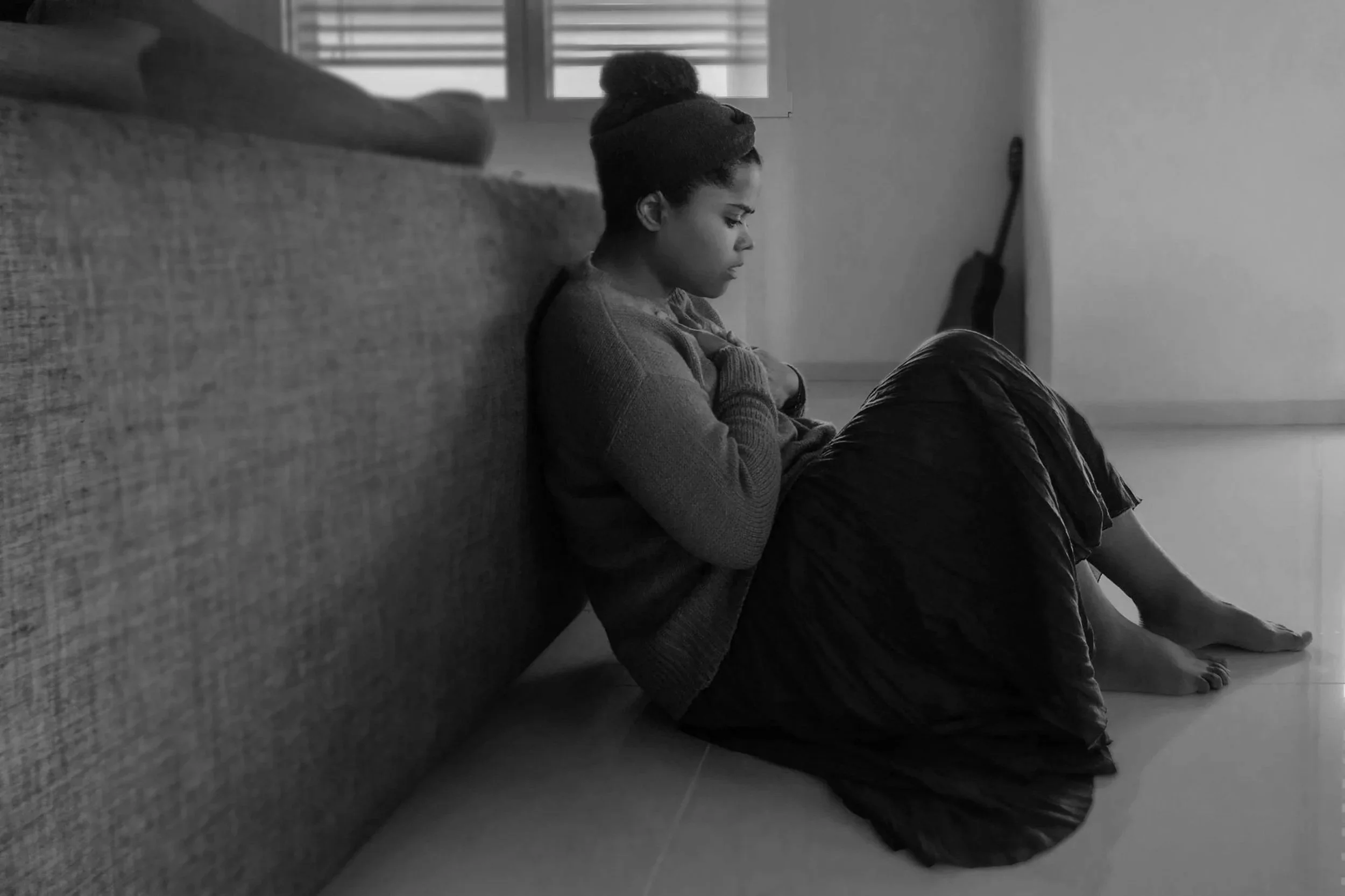
Postpartum depression is a medical condition that affects countless women around the world, yet it remains widely misunderstood. The dramatic hormonal changes that occur after pregnancy can disrupt mood, energy, and emotional balance. Women experiencing postpartum depression often describe feeling trapped in a fog of guilt, exhaustion, and hopelessness during a time when society expects them to feel nothing but joy.
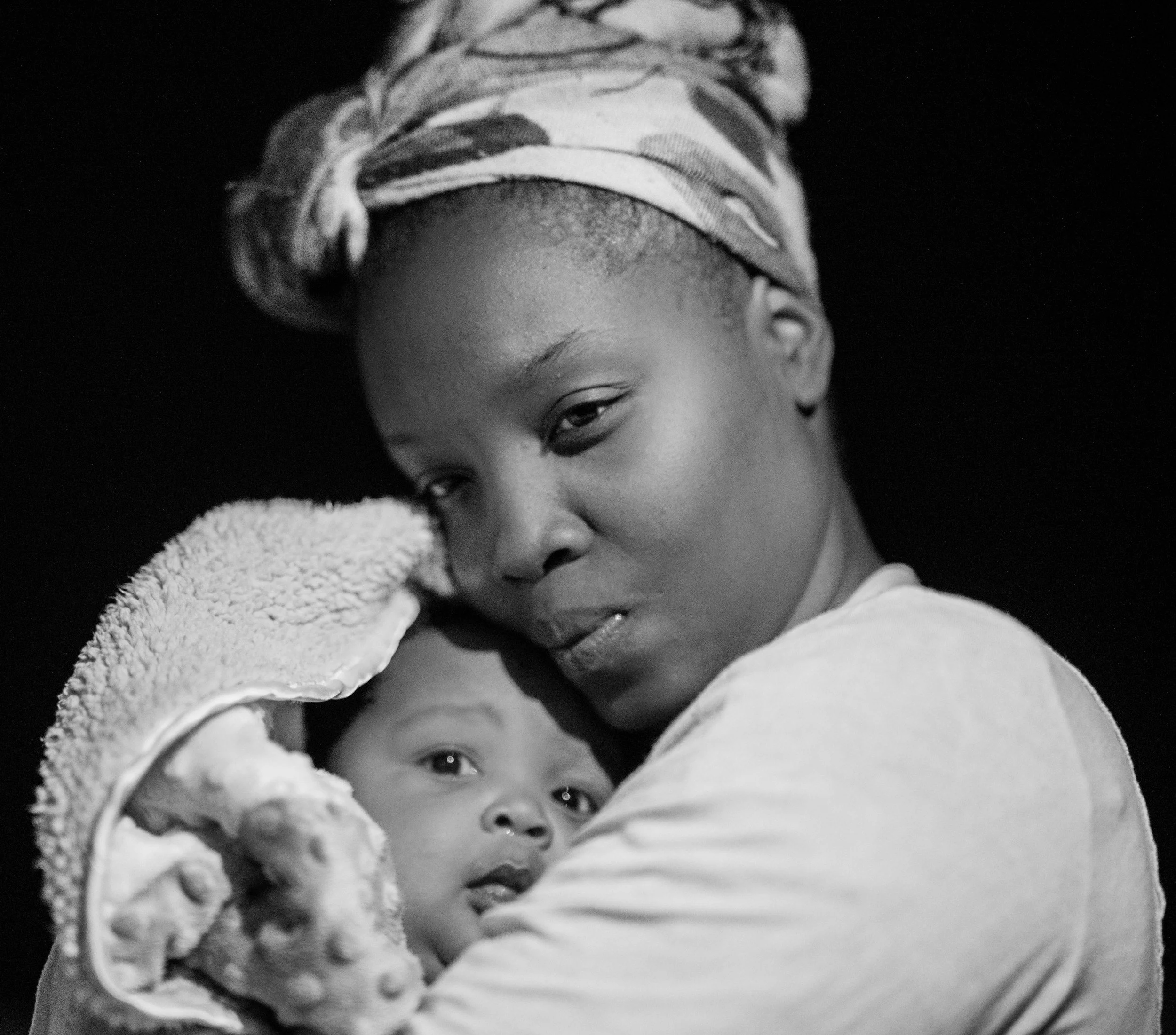
Brittany remembers those early months vividly. Even simple tasks felt impossible. Her mother and husband stepped in to help care for the baby because she couldn’t function in the way she believed a mother should. And perhaps the most painful part of postpartum depression is the guilt it leaves behind. Many mothers quietly carry the fear that somehow they’re failing the child they love, and with that fear, the darkness deepens.
For nearly two years Brittany struggled through that darkness, watching her daughter grow while feeling like she’d failed when she was supposed to shine. Slowly, with time, the unwavering support of her family, and a deep reliance on her faith, she began to emerge from that difficult season. When her daughter turned two, Brittany remembers praying for healing and feeling a quiet sense that she was ready to move forward with her life again. Eventually, she felt ready to try for another baby.
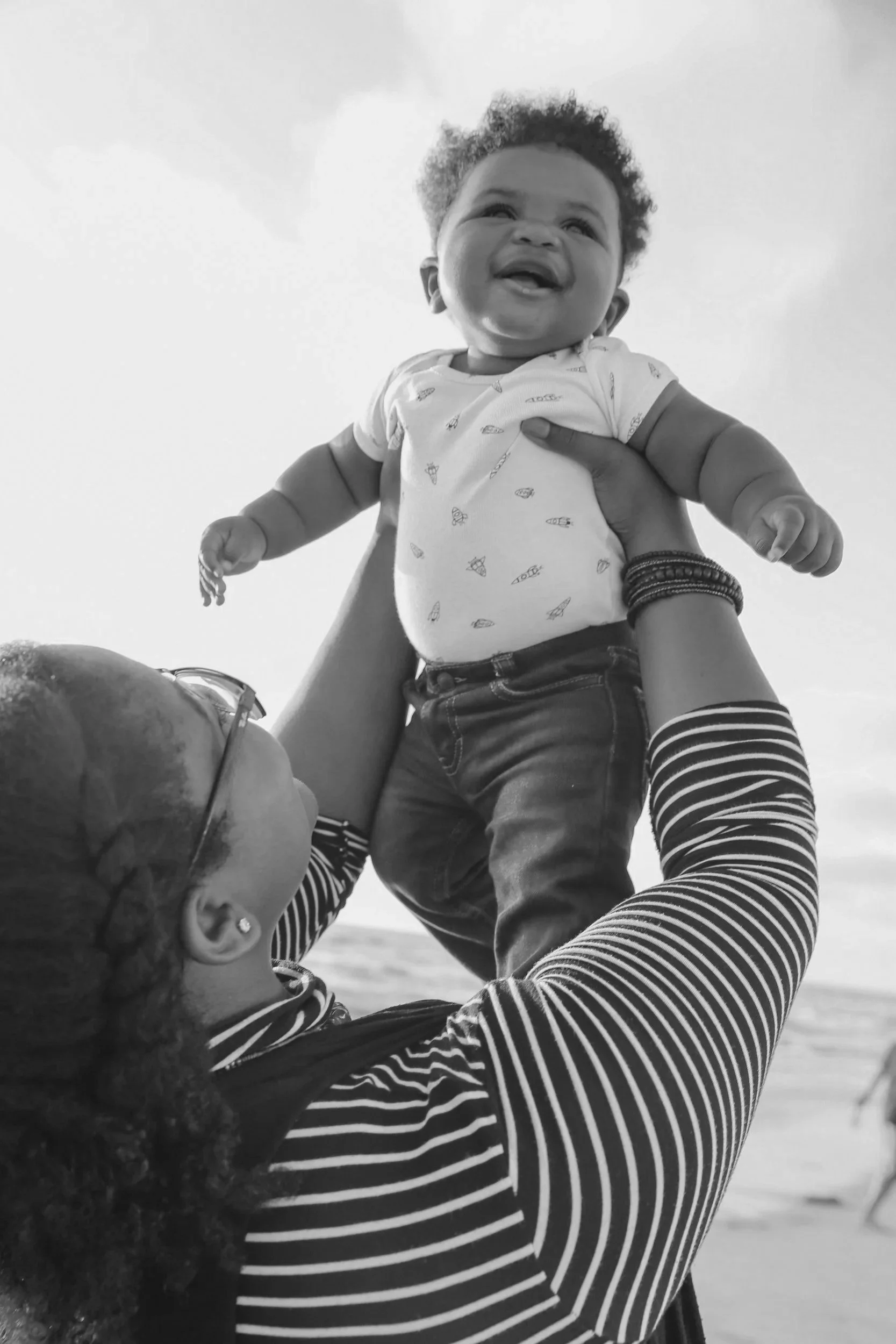
When Brittany became pregnant with her second child, Liam, the experience felt entirely different. The pregnancy was smooth and uncomplicated. The Covid-19 pandemic had forced much of the world to slow down, allowing Brittany to work from home and spend precious time caring for her newborn son. She breastfed him, established routines, and experienced the early moments of motherhood she once feared she had lost forever. In many ways, she saw Liam as her redemption, though in truth she never needed one. But redemption rarely arrives without its own challenges.
As the months passed and Liam began to grow out of the tiny infancy stage, Brittany noticed that he was unusually quiet and often unresponsive to voices around him. At first, she assumed he was simply developing at his own pace. Then during a routine pediatric visit while Brittany and her husband were off the island, Liam’s grandmother took him to the doctor. During that appointment, the pediatrician expressed concern and suggested that Liam might have autism. When Brittany heard those words, the ground seemed to shift beneath her. Almost immediately she began blaming herself. She questioned everything from her pregnancy decisions to whether receiving the Covid vaccine had somehow harmed her child.
For a woman who had already spent two years battling postpartum depression, those fears reopened wounds she believed had finally healed. What she once believed was her redemption as a mother now felt like another test. But Brittany refused to surrender to fear. She sought additional opinions and traveled to a pediatric neurology center in Orlando where Liam underwent extensive testing. The results were surprising. Specialists concluded that Liam did not have autism, but rather a speech delay.
Still, something didn’t seem right. Over time, Liam continued experiencing frequent colds and congestion. Eventually someone suggested an evaluation by an ear, nose, and throat specialist and that recommendation changed everything.
Further testing revealed that Liam’s adenoids were severely enlarged, preventing him from hearing properly. During the critical early years when children learn language by listening to the voices around them, Liam had been living in a muffled world. Surgery was recommended. Once again Brittany did what she had done throughout the entire journey. She asked questions, researched carefully, and sought a physician she trusted. When Liam woke from surgery Brittany remembers feeling as though she was meeting a different child. His chronic congestion disappeared almost immediately.
Then several months later during a family trip to New York something extraordinary happened. As the family drove through the city, Liam began pointing to signs and billboards. He was reading the words. Later that evening Brittany opened a book and watched in disbelief as her two-and-a-half-year-old son read the words on the page. Within weeks he was reading fluently. Soon after he began speaking clearly as well.

Today, Liam is four years old and thriving in school. He reads full books with strong comprehension and no longer requires speech therapy. Brittany doesn’t deny that Liam may still fall somewhere along the autism spectrum. But she also knows that had she accepted the first answer she was given, his life might have followed a very different path. When I asked her what she hopes other mothers will take from her story, her answer was simple. Mothers carry an enormous burden. They blame themselves for things beyond their control and worry endlessly about whether they’re doing enough. But Brittany believes mothers must also give themselves grace. Not everything is your fault, she says. Trust your instincts. Fight for your children and remember that sometimes answers take time.
That small bird perched high in a tree never questions herself. She simply returns to the nest again and again caring for the life that depends upon her. Human mothers carry a heavier burden. They bring home not only a newborn child, but also worry, expectations, doubt and the quiet hope that they’ll somehow be enough. But what Brittany’s story reminds us is that the most important thing a mother carries with her is love, strength and the courage to keep searching for answers.
This is The KDK Report.