The start of a new year carries with it the promise of opportunity. As we shout and cheer at midnight on New Year’s Eve, that promise feels intoxicating, filling us with the hope - and even a momentary belief - that better days lie ahead. And yet, for so many patients across our islands, that hope is tested by a cold, harsh truth. Access to advanced medical care remains a burdensome challenge.
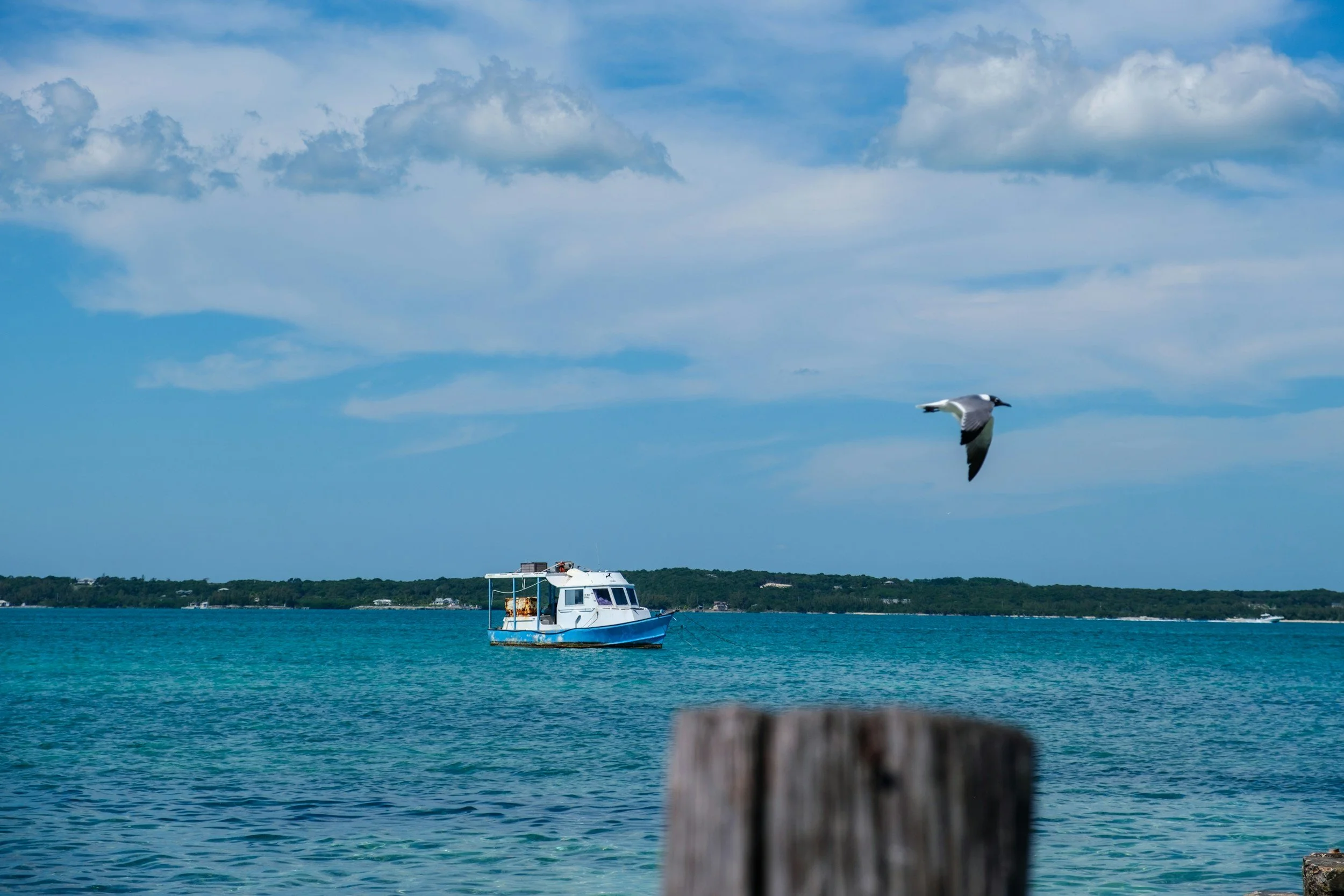
The pace and scale of medical progress throughout our outer islands have been embarrassingly slow. To this day, even for many patients with uncomplicated health concerns, things are difficult. Annual medical, dental, optical and podiatric exams with routine diagnostic tests and an interpretation by the appropriate specialist should, under ideal circumstances, require no more than a single appointment just a short drive away. But for many Family Island patients, especially those in the most remote islands, the challenge isn’t the diagnosis. It’s the distance. To receive treatment, they must travel to Nassau because the care they seek isn’t available down the street, it lives across the water.
That journey comes with costs far beyond their doctor bill. There’s airfare, ground transportation, missed work, and the uncertainty of where they will sleep if they don’t have family or friends who live in the capital. That short consultation now turns into days away from home and a simple appointment becomes a financial burden. Even worse, these obstacles delay care, sometimes long enough that a condition becomes far more serious than it ever needed to.
Doctor’s Hospital in Eight Mile Rock and both Bahamas Wellness Hospital and Eleuthera Medical Center in Eleuthera are helping to bridge this divide by providing access to advanced care options, but they remain the exception rather than the norm. Of all the Family Islands, Eleuthera is the most advanced with a rotation schedule of several specialists, two ground ambulances and contracts with two air ambulance services should an emergency require further treatment, all part of the Bahamas Wellness Health system that could serve as a model for other islands.
Fortunately for many of my outer island patients, my office is close to the airport so they’re able to fly in to see me and return to the airport immediately following their appointment, in most cases returning to work as soon as they land. But others aren’t as lucky.
Today, however, the gap between where people live and where care exists is beginning to close and the hope each new year brings, now more than ever, feels closer to home. And for nations like The Bahamas, modern innovations are well poised to make it the most promising era of medicine we’ve ever seen.
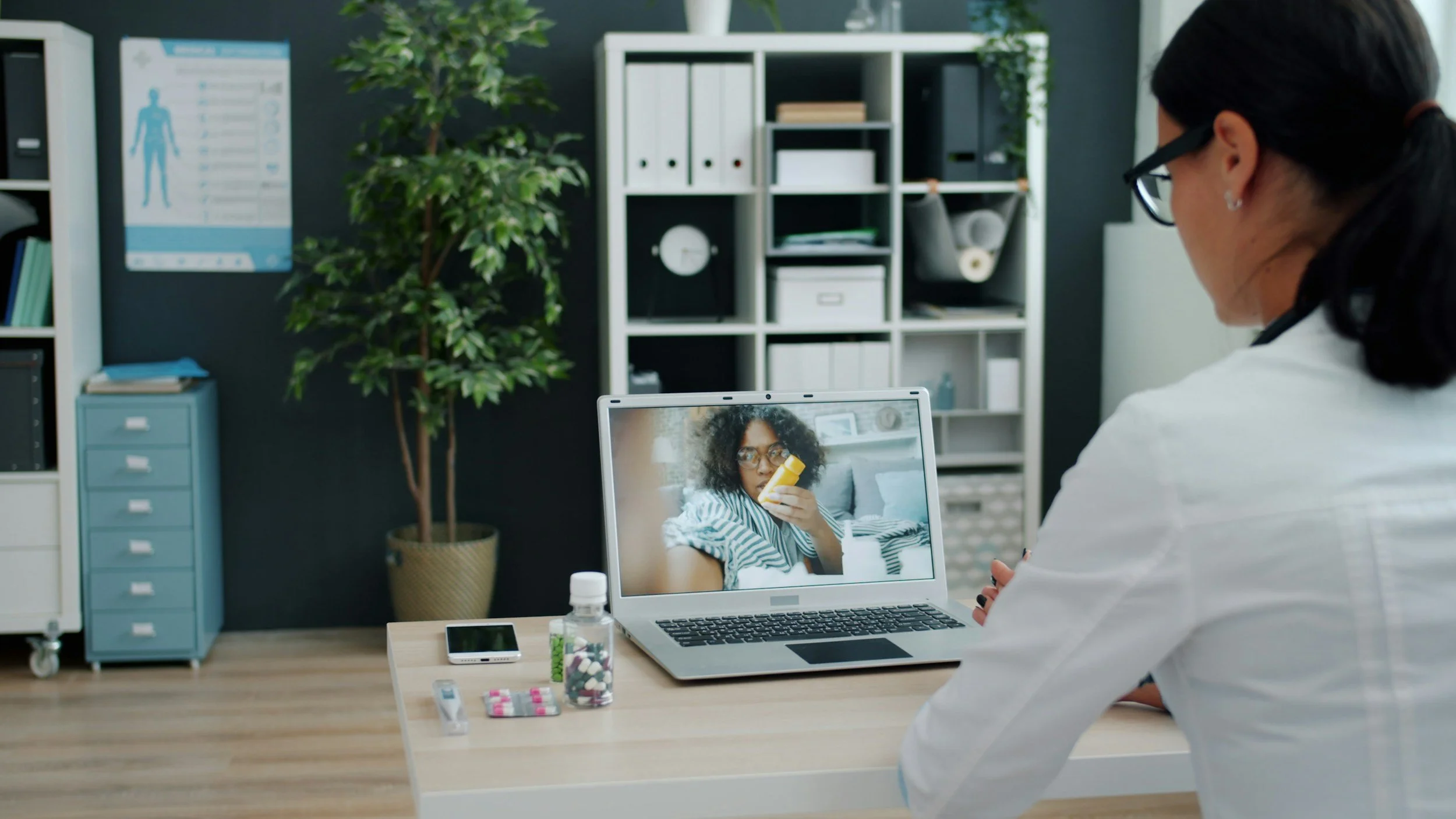
Telemedicine, for example, has evolved beyond video calls, having grown in popularity during and after the Covid-19 pandemic. Digital stethoscopes, remote ultrasound probes, and AI-assisted consultations allow Bahamian physicians to collaborate with specialists around the world in real time, without patients boarding a plane. This represents a profound shift where care no longer depends solely on geography.
What once required multiple specialists can now begin with a single digital scan interpreted instantly. Remote monitoring devices allow patients with heart disease, diabetes, or respiratory conditions to be followed safely from their homes. Point-of-care diagnostic testing has also transformed frontline medicine. Lab-level results for infection, inflammation, and cardiac conditions can be obtained within minutes thereby improving emergency decision-making and ultimately saving lives. Serious telemedicine puts the patient in touch with doctors remotely, not with blogs, Dr. Google and suggestions that are all too often risky, lack medical verification and do not recognize the individual differences in each case.
Innovation isn’t only changing how we treat patients, but also how we train the physicians who care for them. By leveraging advanced VR technology, medical students in Grand Bahama and junior physicians throughout the country can now practice complex procedures and real-world clinical scenarios becoming more skilled and confident in diagnosis, treatment and surgery without the ethical and logistical limitations of cadaveric or animal models. In The Bahamas, these technological advances are critical because they decrease the need for costly overseas education and training.
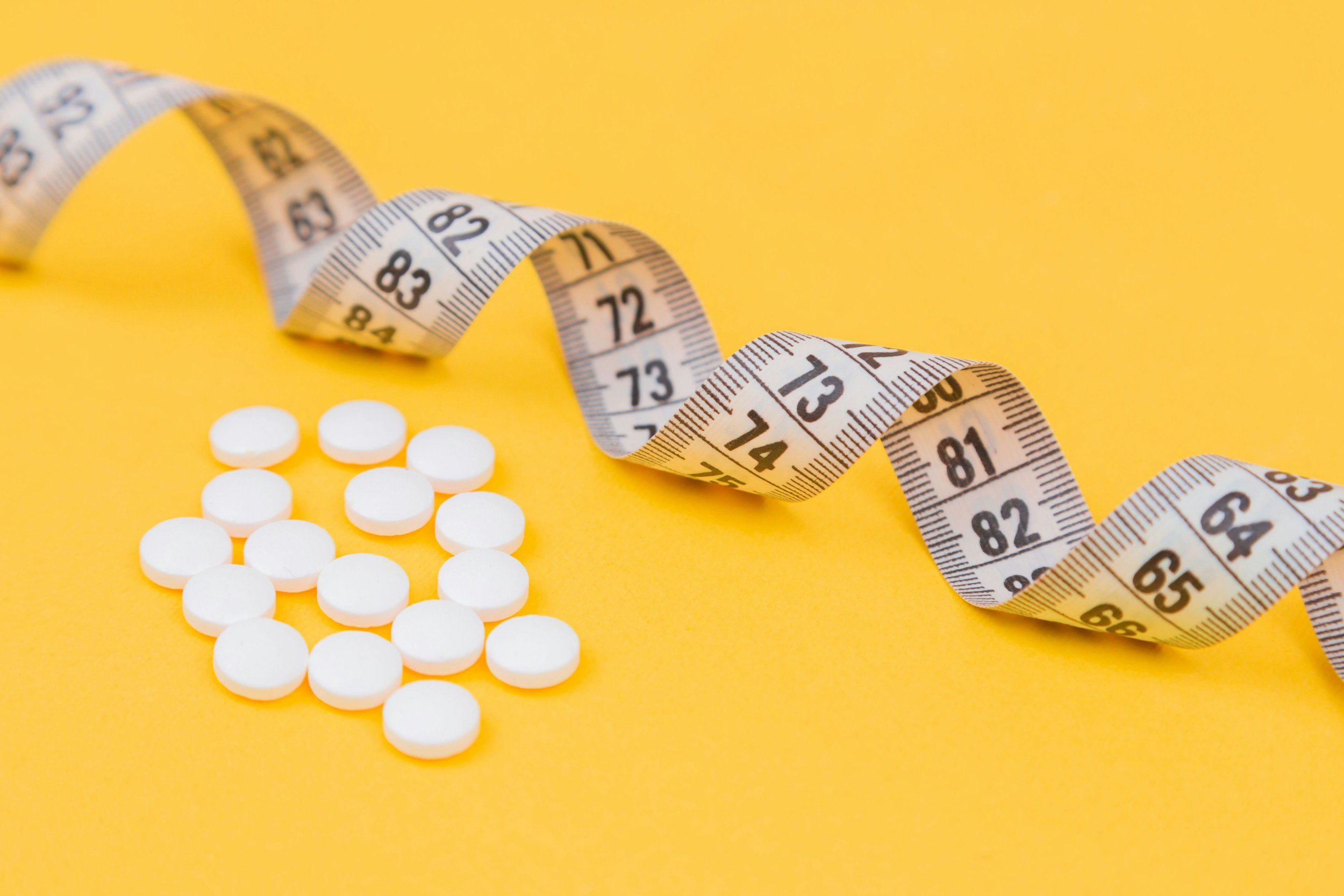
Advancements in weight-loss medications and injectables have emerged as one of the most significant public-health breakthroughs in modern times, quickly gaining popularity because of widespread usage amongst celebrities. For Caribbean nations, where obesity rates are disproportionately high, these therapies are a powerful tool to aid in the reduction of diabetes, high blood pressure, heart disease and joint degeneration. When combined with lifestyle changes, they can help patients achieve sustainable weight loss and prevent many of the chronic conditions that overwhelm our local healthcare systems.
Amidst all these scientific breakthroughs and advancements, perhaps most meaningful for our region is western medicine’s renewed appreciation for nature. Modern research is now validating what Caribbean cultures have long understood, that plant-derived compounds and naturally occurring enzymes possess remarkable healing potential when properly formulated and studied. Having formulated a (soon-to-launch) naturally derived skin recovery cream with a US partner and friend, I stand appreciative of this global shift.
And while these changes are exciting, there is cause for concern. Bad actors exist throughout the world, willing and able to pervert these advances for their financial gain. So, the requirement for strong data protection must be intensive as should the ethical oversight regarding the use of AI algorithms for clinical decision-making.
Despite that, what makes these breakthroughs extraordinary is not their complexity, but their accessibility. The future of healthcare in The Bahamas will not be defined by the size of our hospitals, but by how wisely we adopt innovation. By embracing smart technology, evidence-based natural medicine, and global collaboration, we stand positioned not behind the world, but alongside it. But the true measure of medical progress won’t be how advanced our technology becomes; it’ll rely on whether it eliminates the need for patients to cross the water in search of care.
As we enter this new year, my hope is that modern medicine is finally shrinking the distance between patients and care. Because for small nations with big hearts like The Bahamas, that may be the greatest breakthrough of all.
This is The KDK Report.