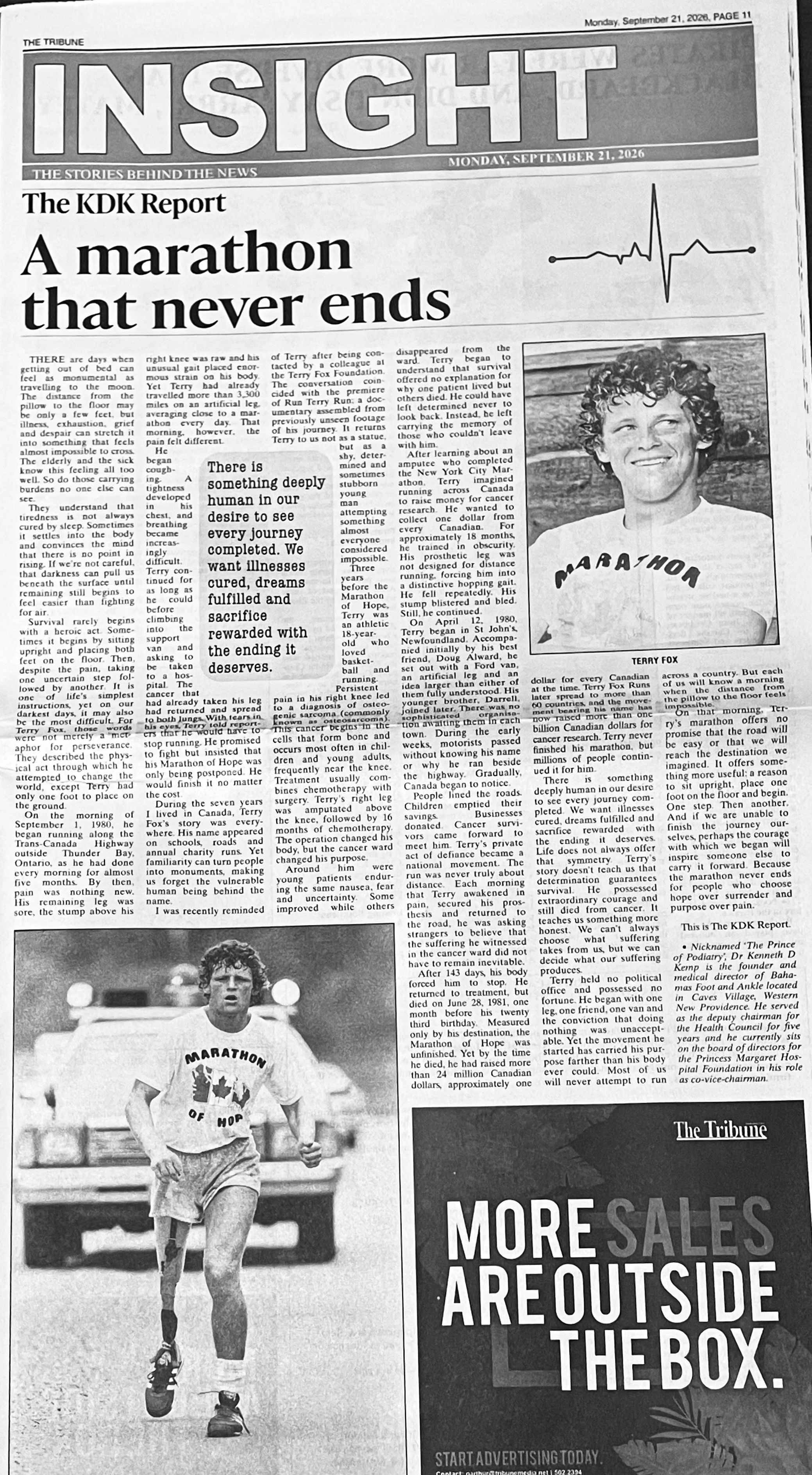
Vol 133: Marathon that never ends
There are days when getting out of bed can feel as monumental as travelling to the moon. The distance from the pillow to the floor may be only a few feet, but illness, exhaustion, grief and despair can stretch it into something that feels almost impossible to cross. The elderly and the sick know this feeling all too well. So do those carrying burdens no one else can see.
They understand that tiredness is not always cured by sleep. Sometimes it settles into the body and convinces the mind that there is no point in rising. If we’re not careful, that darkness can pull us beneath the surface until remaining still begins to feel easier than fighting for air.
Survival rarely begins with a heroic act. Sometimes it begins by sitting upright and placing both feet on the floor. Then, despite the pain, taking one uncertain step followed by another. It is one of life’s simplest instructions, yet on our darkest days, it may also be the most difficult. For Terry Fox, those words were not merely a metaphor for perseverance. They described the physical act through which he attempted to change the world, except Terry had only one foot to place on the ground.
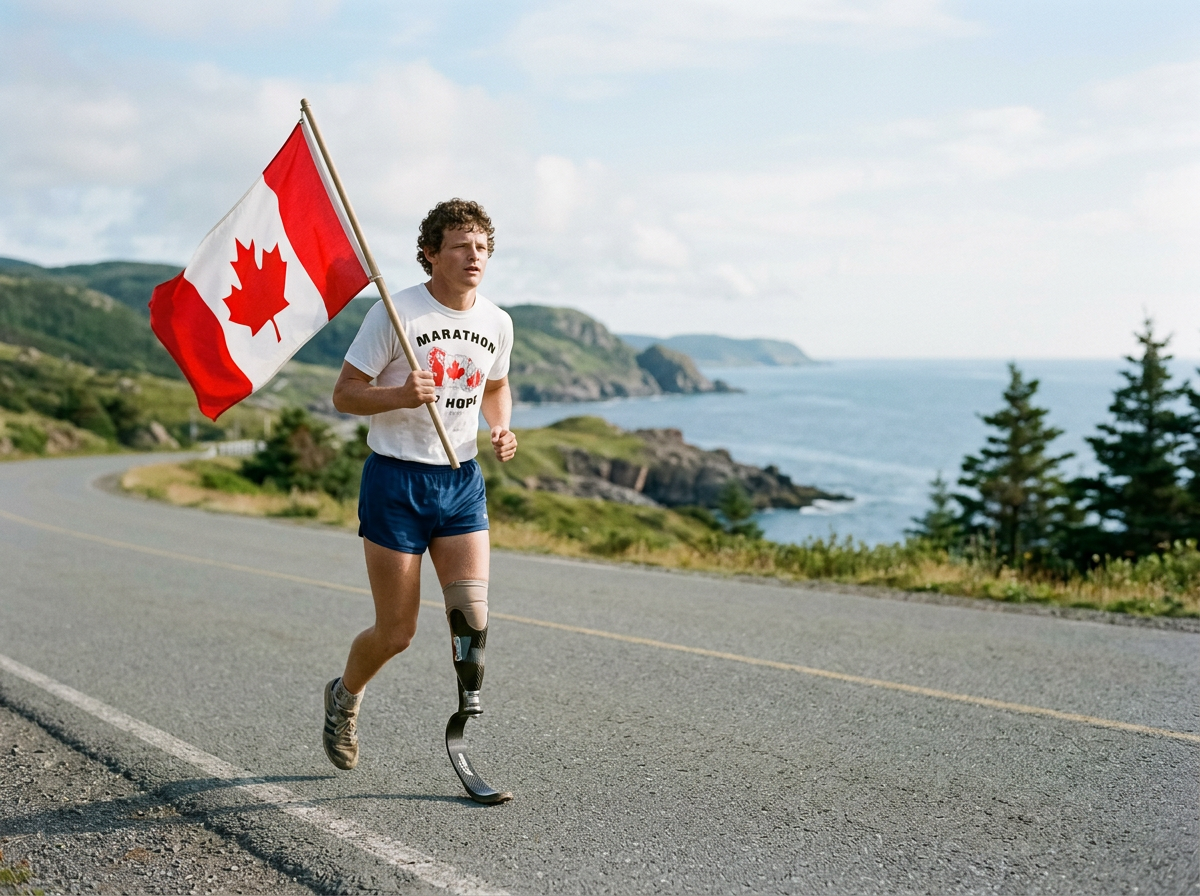
On the morning of September 1, 1980, he began running along the Trans-Canada Highway outside Thunder Bay, Ontario, as he had done every morning for almost five months. By then, pain was nothing new. His remaining leg was sore, the stump above his right knee was raw and his unusual gait placed enormous strain on his body. Yet Terry had already travelled more than 3,300 miles on an artificial leg, averaging close to a marathon every day. That morning, however, the pain felt different.
He began coughing. A tightness developed in his chest, and breathing became increasingly difficult. Terry continued for as long as he could before climbing into the support van and asking to be taken to a hospital. The cancer that had already taken his leg had returned and spread to both lungs. With tears in his eyes, Terry told reporters that he would have to stop running. He promised to fight, but insisted that his Marathon of Hope was only being postponed. He would finish it no matter the cost.
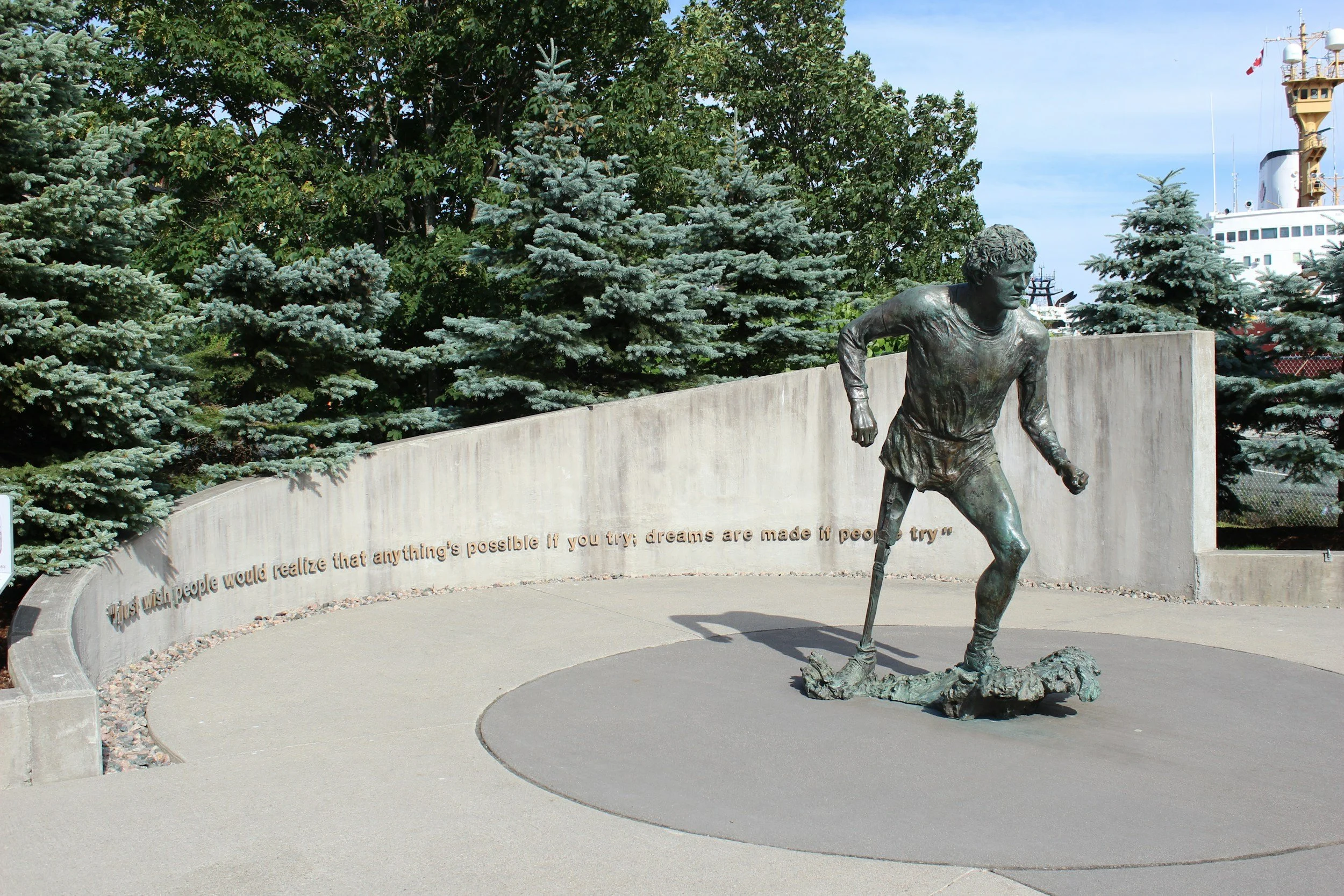
During the seven years I lived in Canada, Terry Fox’s story was everywhere. His name appeared on schools, roads and annual charity runs. Yet familiarity can turn people into monuments, making us forget the vulnerable human being behind the name.
I was recently reminded of Terry after being contacted by a colleague at the Terry Fox Foundation. The conversation coincided with the premiere of Run Terry Run; a documentary assembled from previously unseen footage of his journey. It returns Terry to us not as a statue, but as a shy, determined and sometimes stubborn young man attempting something almost everyone considered impossible.
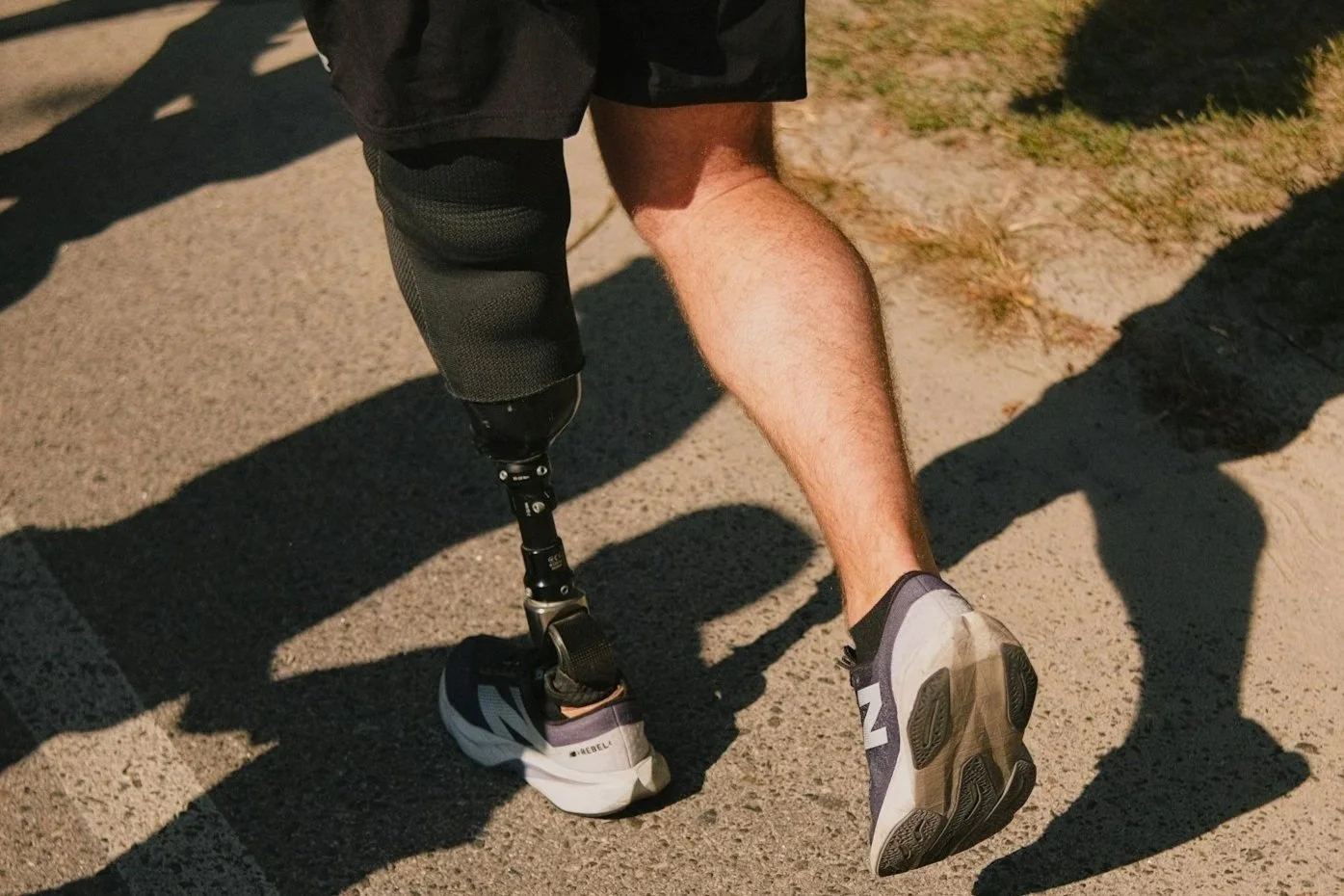
Three years before the Marathon of Hope, Terry was an athletic 18-year-old who loved basketball and running. Persistent pain in his right knee led to a diagnosis of osteogenic sarcoma (commonly known as osteosarcoma). This cancer begins in the cells that form bone and occurs most often in children and young adults, frequently near the knee. Treatment usually combines chemotherapy with surgery. Terry’s right leg was amputated above the knee, followed by 16 months of chemotherapy. The operation changed his body but the cancer ward changed his purpose.
Around him were young patients enduring the same nausea, fear and uncertainty. Some improved while others disappeared from the ward. Terry began to understand that survival offered no explanation for why one patient lived but others died. He could have left determined never to look back. Instead, he left carrying the memory of those who couldn’t leave with him.
After learning about an amputee who completed the New York City Marathon, Terry imagined running across Canada to raise money for cancer research. He wanted to collect one dollar from every Canadian. For approximately 18 months, he trained in obscurity. His prosthetic leg was not designed for distance running, forcing him into a distinctive hopping gait. He fell repeatedly. His stump blistered and bled. Still, he continued.
On April 12, 1980, Terry began in St John’s, Newfoundland. Accompanied initially by his best friend, Doug Alward, he set out with a Ford van, an artificial leg and an idea larger than either of them fully understood. His younger brother, Darrell, joined later. There was no sophisticated organization awaiting them in each town. During the early weeks, motorists passed without knowing his name or why he ran beside the highway. Gradually, Canada began to notice.

People lined the roads. Children emptied their savings. Businesses donated. Cancer survivors came forward to meet him. Terry’s private act of defiance became a national movement. The run was never truly about distance. Each morning that Terry awakened in pain, secured his prosthesis and returned to the road, he was asking strangers to believe that the suffering he witnessed in the cancer ward did not have to remain inevitable.
After 143 days, his body forced him to stop. He returned to treatment, but died on June 28, 1981, one month before his twenty third birthday. Measured only by his destination, the Marathon of Hope was unfinished. Yet by the time he died, he had raised more than 24 million Canadian dollars, approximately one dollar for every Canadian at the time. Terry Fox Runs later spread to more than 60 countries, and the movement bearing his name has now raised more than one billion Canadian dollars for cancer research. Terry never finished his marathon, but millions of people continued it for him.
There is something deeply human in our desire to see every journey completed. We want illnesses cured, dreams fulfilled and sacrifice rewarded with the ending it deserves. Life does not always offer that symmetry. Terry’s story doesn’t teach us that determination guarantees survival. He possessed extraordinary courage and still died from cancer. It teaches us something more honest. We can’t always choose what suffering takes from us, but we can decide what our suffering produces.
Terry held no political office. He possessed no fortune. He began with one leg, one friend, one van, one dream and the unshakable conviction that doing nothing was unacceptable. Yet the movement he started has carried his purpose farther than his body ever could. Most of us will never attempt to run across a country. But each of us will know a morning when the distance from the pillow to the floor feels impossible and when we do, all we need for inspiration is to stop for a moment and think about a man named Terry Fox.
On that morning, Terry’s marathon offers no promise that the road will be easy or that we will reach the destination we imagined. It offers something more useful: a reason to sit upright, place one foot on the floor and begin. One step. Then another. And if we are unable to finish the journey ourselves, perhaps the courage with which we began will inspire someone else to carry it forward. Because the marathon never ends for people who choose hope over surrender and purpose over pain.
This is The KDK Report.